

Here are five interesting facts about orange cats:
Most Orange Cats Are Male: If you’ve noticed that many of the orange cats you meet are male, it’s not just a coincidence. About 80% of orange cats are male due to the genetics behind their coloring. The orange coat is linked to the X chromosome, and since male cats have only one X chromosome, they need just one copy of the orange gene to sport a ginger coat. Female cats, on the other hand, have two X chromosomes and require two copies of the gene to be orange, making them much less common. This genetic quirk makes orange male cats a striking and notable feature in the feline world.

Orange Cats Are Often Tabbies: The term “orange cat” is a bit of a misnomer; orange is actually a color pattern rather than a specific breed. The vast majority of orange cats are tabbies, meaning their coats display the distinctive tabby pattern of stripes, swirls, or spots. Many orange tabbies also have an “M” shaped marking on their foreheads, which adds to their unique look. The tabby pattern is a natural camouflage in the wild, making these cats less visible to predators, but in a domestic setting, it just makes them all the more charming and memorable!

Variety of Shades: Orange cats aren’t just a one-shade-fits-all kind of cat. They come in a delightful range of colors, from pale cream and soft ginger to deep, rich, and fiery reds. The specific shade of an orange cat can be influenced by both genetics and environmental factors like sunlight exposure, which can lighten or darken the fur over time. This variety adds to their appeal, as each orange cat seems to have its own distinct personality reflected in its unique hue.

Playful and Affectionate: Many cat owners and enthusiasts will attest to the notion that orange cats tend to have distinctive, lively personalities. These cats are often described as friendly, outgoing, and sociable, making them popular choices for families and households. Some studies even suggest that orange cats might be more willing to approach humans and interact with them compared to cats of other colors. Whether this is due to genetics or simply the way they’re raised, their charming and often talkative nature makes them beloved by many.

Genetics Influence Their Color: The genetics behind an orange cat’s coat are fascinating and intricate. The color is determined by a gene known as the “O” gene, which is dominant. This means that a cat only needs to inherit one copy of the gene from either parent to display the orange coloring. This dominant gene is also what gives orange cats their tabby patterns, as the “O” gene prevents the suppression of the tabby pattern, ensuring that orange cats are almost always tabbies. This unique genetic makeup adds to their mystique and charm, making them a favorite among cat lovers.
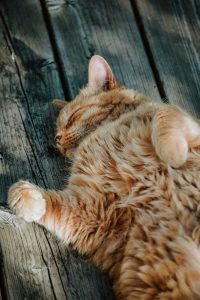
Orange cats are truly a special blend of genetics, personality, and charm that light up our lives in so many delightful ways. Whether they’re basking in the sun with their vibrant coats, chasing after their favorite toys, or curling up on your lap for a cozy nap, these ginger furballs bring endless joy and warmth to any home. With their friendly dispositions and unique markings, orange cats aren’t just beautiful—they’re also full of character and love. So, if you’re lucky enough to share your life with one of these affectionate companions, consider yourself blessed to have a little ray of sunshine purring by your side. 🧡
More facts can be found here